
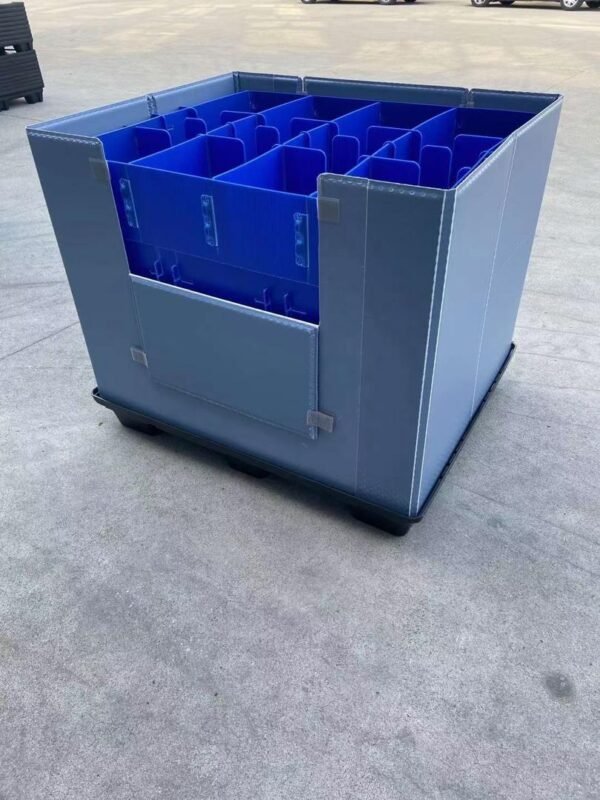
Why the Beverage Industry is Switching to Plastic Pallet Divider Pads
In the fast-paced wo
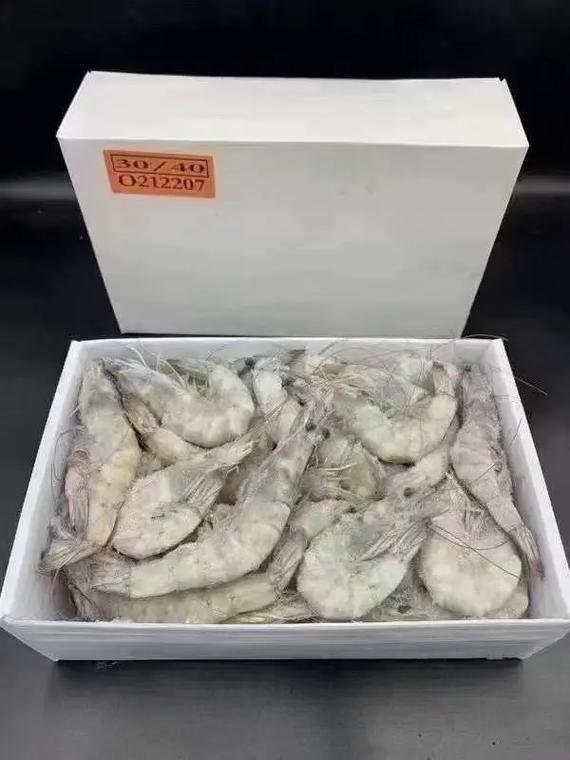
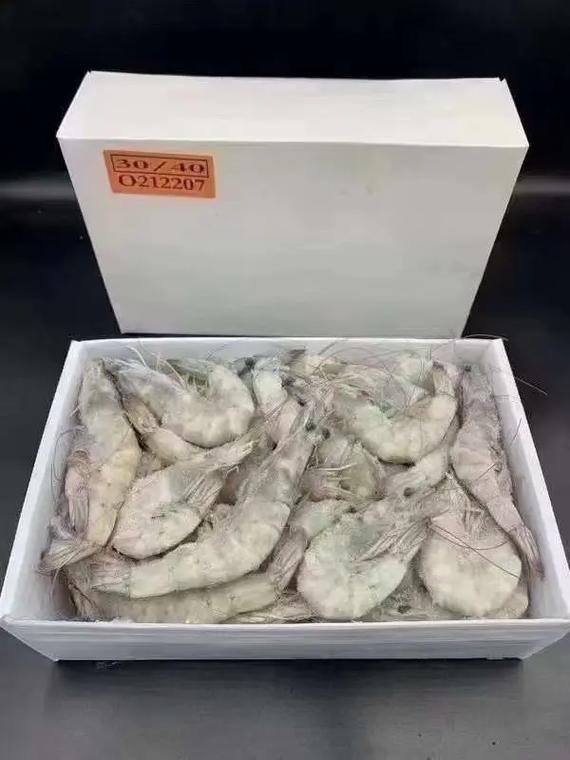
Why Waterproof Corrugated Plastic Seafood Boxes Are Replacing Traditional EPS Foam and Cardboard
In the demanding world of seafood processing and global cold-chain logistics, packaging is more than just a container—it is a critical line of defense. For decades, traditional expanded polystyrene (EPS) foam boxes and single-use cardboard cartons have dominated the market. However, EPS foam is fragile, bulky to store, and environmentally harmful, while cardboard quickly degrades when exposed to melting ice and moisture.
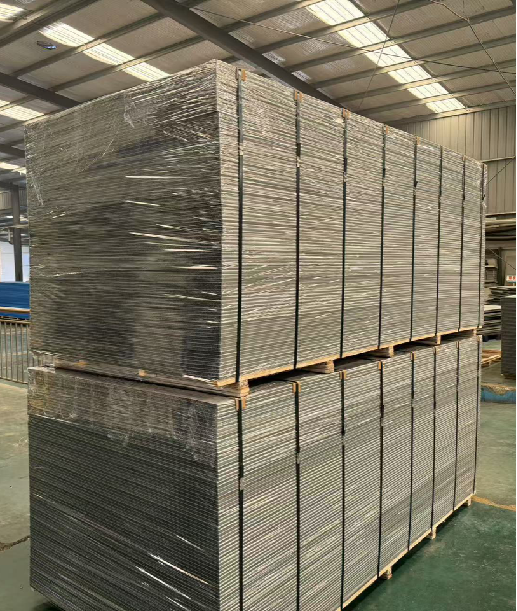
Plastic Concrete Forms: The Ultimate Eco-Friendly Alternative to Wood in Modern Construction
or decades, traditional wooden plywood and timber beams have been the go-to materials for concrete formwork on job sites worldwide. However, traditional timber comes with significant drawbacks: it absorbs moisture, warps under heavy loads, degrades rapidly, and contributes to massive deforestation and on-site waste.
As global construction standards shift toward sustainability, durability, and cost-efficiency, contractors and project managers are actively seeking a reliable plastic concrete forms alternative to wood.
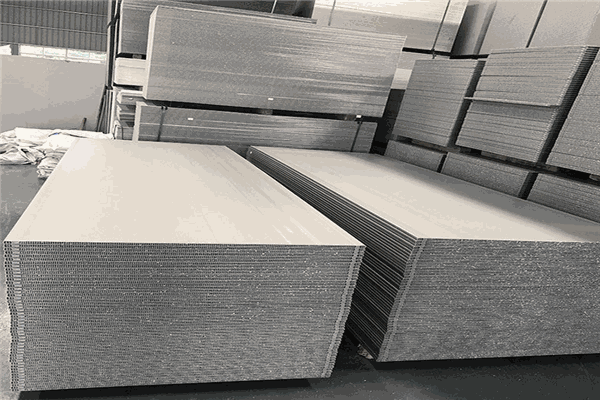
Why Contractors Are Replacing Plywood with PP Concrete Formwork Panels in Modern Construction
In the fast-evolving landscape of modern construction, project managers and contractors are constantly seeking ways to reduce material waste, lower labor costs, and improve concrete finishing quality. Traditional materials like wooden plywood have long dominated the market, but they suffer from short lifespans, moisture absorption, and rapid degradation on job sites.