As global supply chains evolve, modern logistics, manufacturing, and e-commerce industries face mounting pressure to balance operational efficiency with strict environmental regulations. Traditional single-use cardboard packaging, while historically dominant, is rapidly being phased out due to its vulnerability to moisture, structural degradation, and high long-term costs.
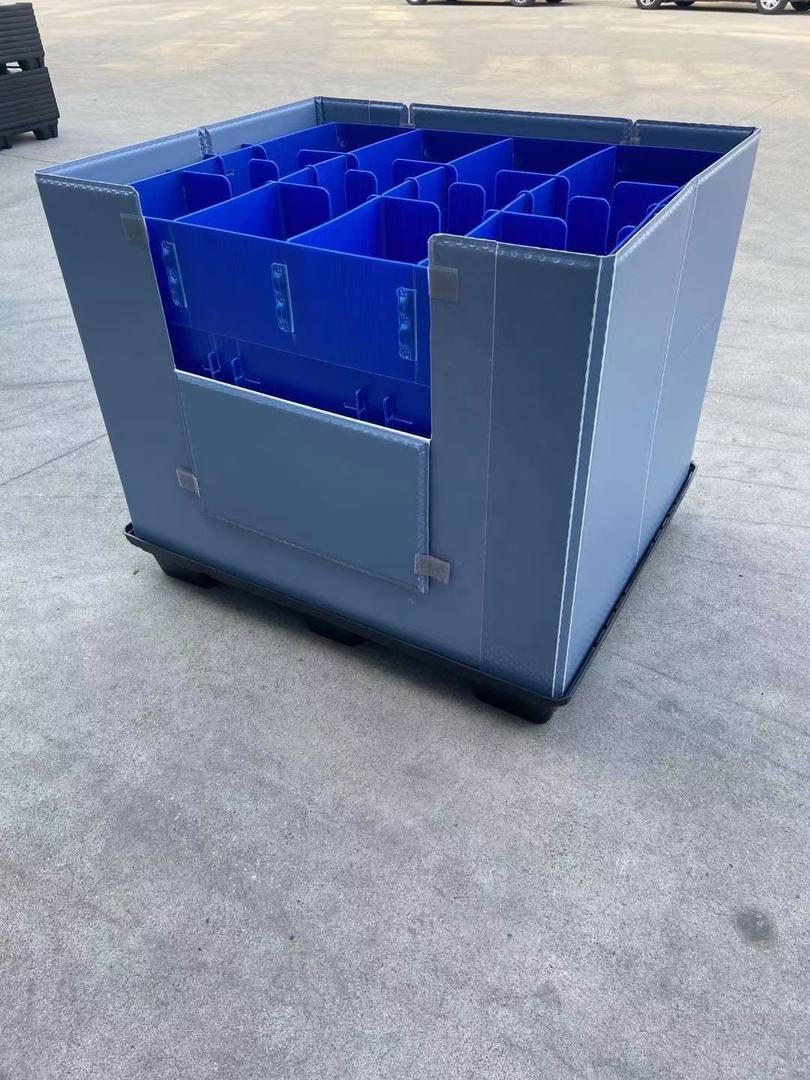
Enter the reusable corrugated plastic box market—a rapidly expanding sector transforming how goods are transported, stored, and protected worldwide.
1. Market Overview and Growth Projections
The global market for reusable corrugated plastic boxes (RCPBs) is experiencing steady, robust expansion. Industry analyses value the market at approximately USD 9.8 billion, with projections indicating it will climb to USD 14.4 billion over the next several years. Growing at a compound annual growth rate (CAGR) of around 5.7%, this sector is fueled by corporate commitments to sustainability and the critical need for durable, multi-trip packaging solutions.
Key material segments, particularly polypropylene (PP), continue to dominate over 54% of the market share due to their exceptional strength-to-weight ratio, chemical resistance, and 100% recyclability. Furthermore, the Asia-Pacific region stands out as both the largest market and the fastest-growing hub, driven by expanding manufacturing and automotive sectors in countries like China and India.
2. Key Drivers Fueling the Demand for Corrugated Plastic Boxes
Why are logistics managers and supply chain directors abandoning traditional paper-based corrugated boxes in favor of plastic alternatives? Several factors drive this transition:
- Superior Durability and Lower Cost Over Time: While traditional cardboard boxes crumple or tear after a single wet or heavy transit cycle, high-grade polypropylene corrugated boxes can be reused dozens to over a hundred times. This drastically reduces the total cost of ownership (TCO) and delivers a fast return on investment (ROI).
- 100% Moisture and Chemical Resistance: Unlike paper products that absorb water and lose structural integrity in humid environments, corrugated plastic boxes are completely waterproof. They remain unaffected by oils, greases, and standard chemical cleaners, making them ideal for rigorous industrial applications.
- Corporate ESG and Circular Economy Goals: As governments and enterprises tighten environmental standards, companies are aggressively cutting down on single-use waste. Reusable plastic containers integrate seamlessly into closed-loop systems and can be fully recycled at the end of their operational lifecycle.
3. Major Application Segments Across Industries
The versatility of reusable corrugated plastic packaging has led to widespread adoption across diverse verticals:
- Automotive & Manufacturing: Used extensively for transporting sensitive components, wiring, and mechanical parts safely without generating cardboard dust or debris.
- Food & Beverages: Representing the largest market share, food supply chains rely on these hygienic, easily sanitized boxes to protect fresh produce, dairy, and beverages during transit.
- E-Commerce & Retail Logistics: The explosion of online retail requires robust, stackable, and lightweight packaging that can withstand automated conveyor systems and robotic warehouse sorting.
Conclusion
The rapid evolution of the reusable corrugated plastic box market signals a permanent shift toward smarter, greener, and more resilient supply chain infrastructure. For businesses looking to minimize product damage, lower long-term operating expenditures, and meet stringent eco-friendly standards, transitioning to durable plastic packaging solutions is a strategic imperative.
To explore high-performance industrial solutions tailored to your global supply chain needs, visit our product lineup at Onshin PP Plastic Hollow Boards. For a deeper technical dive into material engineering, you can also review Wikipedia’s Polypropylene Guide.