
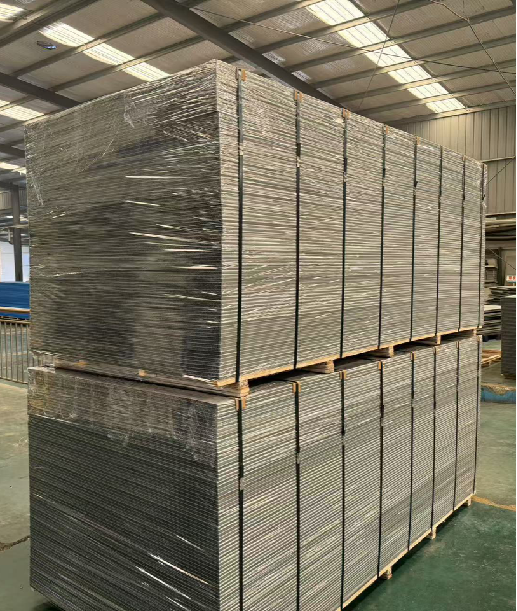
For decades, traditional wooden plywood and timber beams have been the go-to materials for concrete formwork on job sites worldwide. However, traditional timber comes with significant drawbacks: it absorbs moisture, warps under heavy loads, degrades rapidly, and contributes to massive deforestation and on-site waste.
As global construction standards shift toward sustainability, durability, and cost-efficiency, contractors and project managers are actively seeking a reliable plastic concrete forms alternative to wood.
Advanced polypropylene (PP) plastic formwork panels have emerged as the premier solution. Below is a comprehensive look at why transitioning from wood to plastic concrete forms can revolutionize your construction projects.
1. The Hidden Costs of Traditional Wood Plywood
While wood formwork has a low initial purchase cost, its lifecycle economics are surprisingly poor:
- Short Lifespan: Traditional timber plywood typically lasts for only 3 to 5 concrete pours before splintering, rotting, or delaminating.
- Water Absorption: Wet concrete causes timber to swell and warp, resulting in uneven concrete surfaces that require expensive manual plastering and retouching.
- High Labor Intensity: Wooden forms require heavy bracing, frequent oiling, and meticulous on-site cutting, driving up labor hours and project delays.
2. Why Plastic Concrete Forms Outperform Wood
Engineering-grade plastic formwork systems—particularly those made from high-grade polypropylene—are specifically designed to eliminate the inherent weaknesses of timber.
A. 100% Waterproof and Weather-Resistant
Unlike wood, plastic formwork panels do not absorb water. They are completely immune to rain, mud, and high humidity, ensuring zero dimensional changes or structural warping on-site.
B. Exceptional Reusability (50+ to 100+ Pours)
While wood fails after a few uses, premium plastic shuttering boards can be reused dozens or even over a hundred times. This drastically reduces the cost per pour, offering a superior return on investment (ROI) over the project lifecycle.
C. Superior Concrete Release and Surface Finish
Concrete does not adhere to polypropylene surfaces. Stripping the forms is clean, fast, and requires minimal release agents. The resulting concrete finish is ultra-smooth, eliminating the need for secondary wall finishing.
3. Environmental Impact: Building Green with Recycled Plastics
Modern construction is heavily scrutinized for its carbon footprint.
- Deforestation Reduction: By adopting plastic alternatives, developers directly reduce the demand for single-use timber, preserving forests.
- 100% Recyclability: At the end of their long operational lifecycle, PP plastic panels can be fully melted down and recycled into new industrial components, aligning with LEED certification standards and global green building codes.
Conclusion
Switching from timber to a high-performance plastic concrete forms alternative to wood is no longer just an experimental choice—it is a proven, cost-effective strategy for forward-thinking contractors looking to maximize profit margins and structural quality.
To explore our robust selection of durable industrial plastic products and manufacturing capabilities, visit our main product directory at Onshin PP Plastic Hollow Boards. For a broader technical overview of polymer engineering, you can also review Wikipedia’s Polypropylene Guide.