In the modern construction industry, efficiency, durability, and cost-effectiveness dictate the success of any project. Traditional building materials like wood plywood and steel have long dominated the market, but they come with significant drawbacks, including high turnover limits, heavy weight, and susceptibility to environmental damage.
Enter PP plastic formwork—a revolutionary, eco-friendly alternative transforming how contractors and developers approach concrete pouring and structural shuttering. As a manufacturer with two decades of expertise in plastic extrusion and packaging solutions, Onshin delivers heavy-duty PP plastic formwork designed to maximize project margins and streamline on-site operations.
What is PP Plastic Formwork?
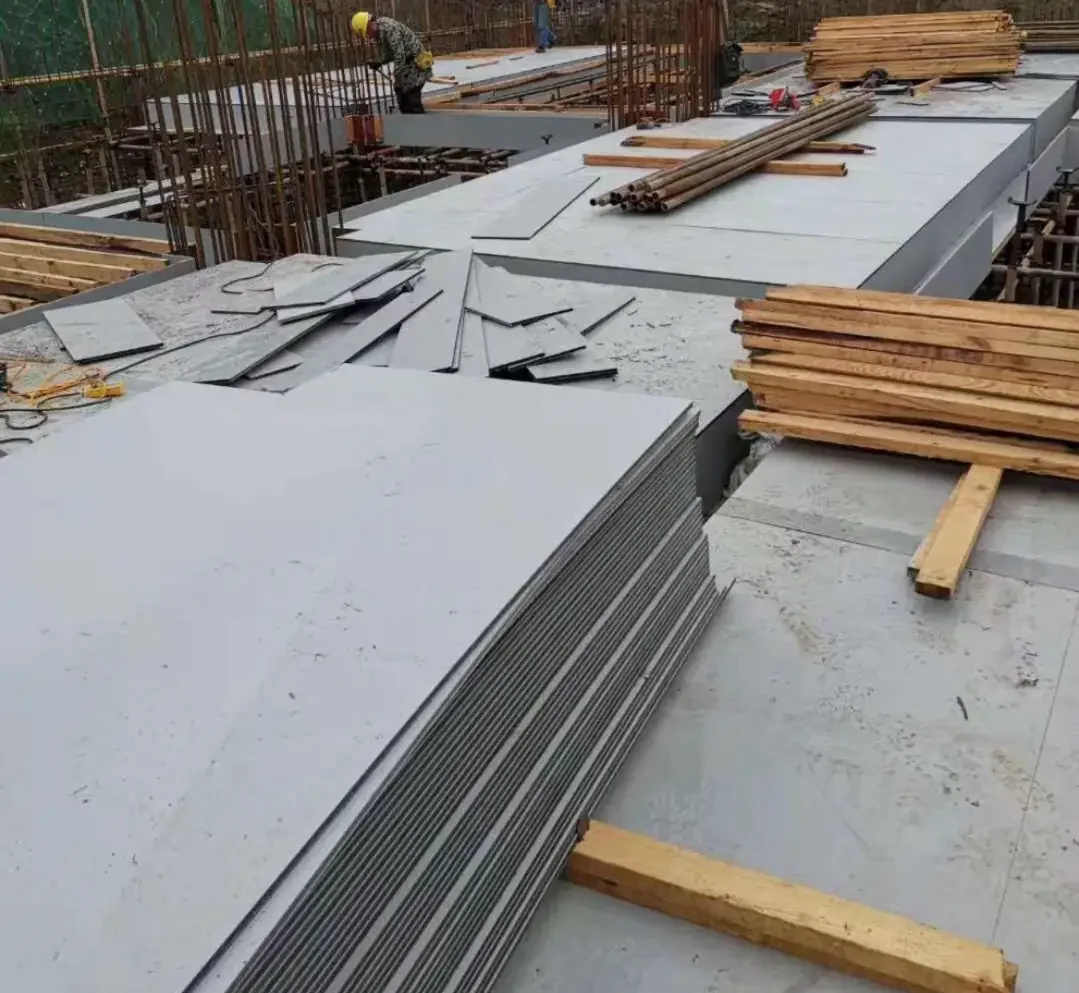
PP plastic formwork (polypropylene plastic shuttering) is an engineered, reusable panel system designed specifically for concrete construction and temporary structural support. Manufactured using high-grade polypropylene thermoplastics, these boards combine lightweight properties with extreme structural strength.
Unlike traditional timber that degrades rapidly when exposed to moisture, plastic formwork maintains dimensional stability, ensuring smooth, high-precision concrete finishes across hundreds of reuses.
Key Applications of PP Plastic Formwork
Because of its high load-bearing capacity and versatility, PP plastic formwork is widely deployed across a broad spectrum of civil engineering and architectural projects, including:
- High-Rise Residential & Commercial Buildings: Used extensively for floor slabs, columns, and shear walls where uniform surface quality is critical.
- Infrastructure & Civil Engineering: Ideal for bridge piers, tunnel linings, subways, and culverts where moisture resistance and long-term durability are paramount.
- Underground & Marine Construction: Highly effective in wet environments, basement construction, and retaining walls where water exposure destroys standard wood panels.
- Modular Housing & Prefabricated Structures: Provides a lightweight, easy-to-assemble shuttering solution that speeds up cycle times.
PP Plastic Formwork vs. Traditional Materials: Why Make the Switch?
When comparing modern PP plastic formwork against traditional options like wood plywood and steel, the performance and financial advantages become clear:
| Performance Factor | Onshin PP Plastic Formwork | Traditional Wood Plywood | Traditional Steel Panels |
| Reusability | 30 – 100+ times | 3 – 5 times (warps quickly) | High, but heavy |
| Water Resistance | 100% Waterproof (No swelling/rotting) | Low (absorbs water, delaminates) | Prone to rust over time |
| Weight & Labor | Lightweight, easy manual handling | Medium weight | Extremely heavy (requires cranes) |
| Surface Finish | Ultra-smooth, zero release agent needed | Rough, requires plastering | Good, but prone to rust stains |
| Maintenance | None required (easy to clean with water) | High maintenance & repair | Requires anti-rust treatment |
1. Exceptional Reusability and Cost Efficiency
While traditional plywood starts warping, splintering, and degrading after just 3 to 5 uses, premium PP plastic formwork can be reused 30 to 100+ times depending on maintenance and handling. Although the initial investment in plastic panels may be slightly higher than cheap plywood, the cost per pour drops drastically, saving contractors up to 60% in material expenses over the lifetime of a project.
2. 100% Waterproof and Weatherproof
Wood absorbs moisture from wet concrete and rain, leading to swelling, rotting, and structural weakness. PP plastic formwork is completely impervious to water, chemicals, and alkaline substances found in concrete. It will never rot, rust, or warp, maintaining its exact shape and dimensions under harsh weather conditions.
3. Lightweight and Labor-Saving
Heavy steel systems require expensive crane rentals and large installation crews. In contrast, PP plastic formwork is lightweight and can be easily cut, nailed, drilled, and installed manually by workers. This significantly reduces labor costs, cuts down assembly time, and speeds up the overall construction schedule.
4. Superior Concrete Release and Surface Finish
Plastic features a naturally non-stick surface. Concrete does not adhere to PP plastic formwork, eliminating the need for expensive chemical release agents. Once stripped, the concrete surface is exceptionally smooth and flat, completely bypassing the need for secondary plastering or smoothing work.
Sustainable and Eco-Friendly Building
Sustainability is no longer optional in global construction. Traditional plywood production contributes heavily to deforestation and illegal logging. PP plastic formwork is fully recyclable at the end of its exceptionally long lifecycle, drastically reducing construction waste on jobsites and helping developers meet green building certifications (such as LEED standards).
Conclusion
Investing in modern building materials is the cornerstone of efficient and sustainable infrastructure development. As the construction industry continues to modernize, switching to advanced alternatives like PP plastic formwork allows contractors to save on labor, reduce waste, and achieve superior surface finishes. To learn more about standard engineering practices and the history of temporary structures used in building, you can read the comprehensive overview on Wikipedia’s Formwork Guide.
Ready to upgrade your construction projects with factory-direct reliability? Contact Onshin today to request your customized product catalog and competitive wholesale quotation.