
Why Waterproof Corrugated Plastic Seafood Boxes Are Transforming Cold-Chain Logistics
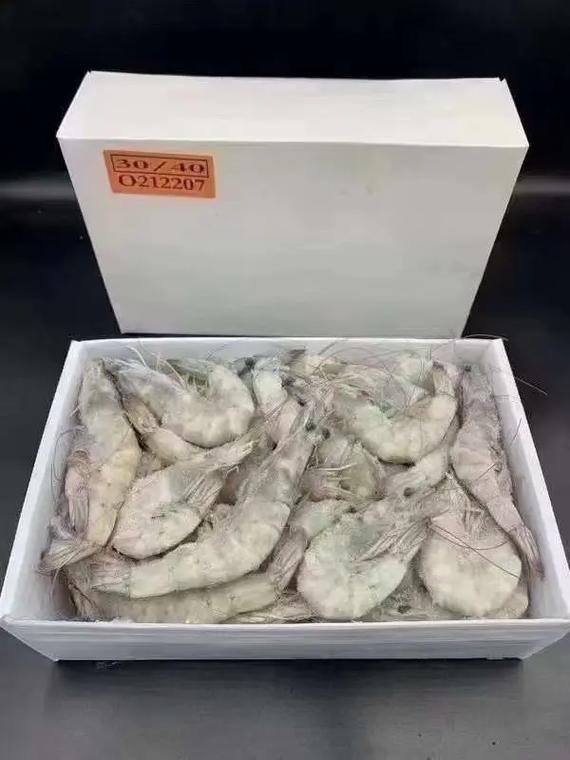
In the demanding world of seafood processing and international cold-chain transport, product freshness and package reliability are everything. For decades, traditional expanded polystyrene (EPS) foam boxes and single-use paperboard cartons have dominated the industry. However, foam boxes are bulky, fragile, and environmentally unsustainable, while paperboard weakens rapidly when exposed to melting ice and moisture. As exporters and seafood distributors look for durable, cost-effective solutions, the waterproof corrugated plastic seafood box has become the gold standard. Manufactured from high-grade polypropylene (PP), these specialized containers are engineered to withstand the harshest aquatic supply chains. 1. 100% Moisture Resistance and Structural Integrity Seafood transport inherently involves wet conditions, melting ice, and high humidity. 2. Superior Cold-Chain Insulation and Leak-Proof Protection Maintaining low internal temperatures is vital to preserve the market value of sh
Why the Beverage Industry is Switching to Plastic Pallet Divider Pads
In the fast-paced world of beverage manufacturing, bottling, and distribution, packaging efficiency and product safety are paramount.Whether transporting heavy glass beer bottles, carbonated soft drinks, or bottled water, beverage logistics managers face constant challenges: crushed cardboard layers, moisture-induced warping, and unstable pallet loads. To eliminate these costly supply chain vulnerabilities, leading beverage enterprises are rapidly abandoning traditional paperboard sheets in favor of plastic pallet divider pads for beverage industry applications. Engineered from durable polypropylene (PP), these specialized layer pads offer unmatched structural integrity and hygiene. 1. The Challenges of Traditional Paperboard in Beverage Logistics Historically, beverage plants relied on corrugated paper cardboard or solid fiberboard to separate layers of bottles and cans on pallets. However, these traditional materials struggle in beverage environments: 2. Key Advantages of Plastic Pa
Why Waterproof Corrugated Plastic Seafood Boxes Are Replacing Traditional EPS Foam and Cardboard
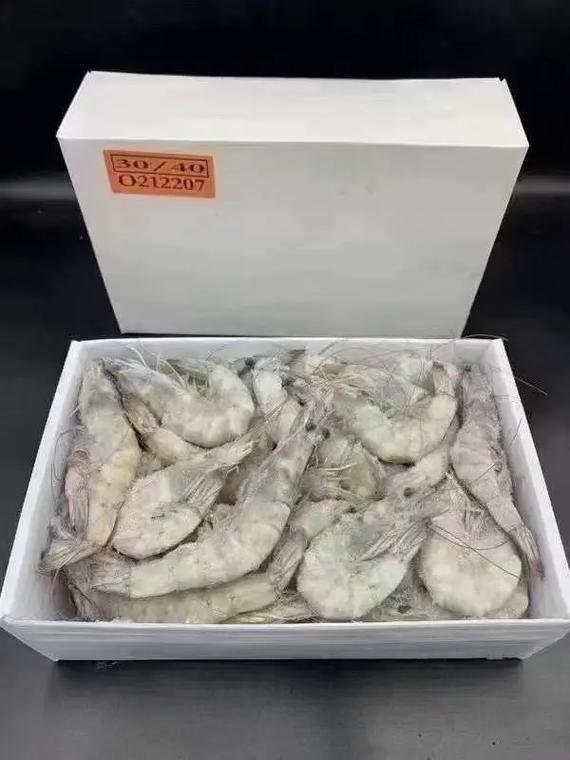
In the demanding world of seafood processing and global cold-chain logistics, packaging is more than just a container—it is a critical line of defense. For decades, traditional expanded polystyrene (EPS) foam boxes and single-use cardboard cartons have dominated the market. However, EPS foam is fragile, bulky to store, and environmentally harmful, while cardboard quickly degrades when exposed to melting ice and moisture.
The Booming Global Market for Reusable Corrugated Plastic Boxes: Trends, Growth, and Industry Insights
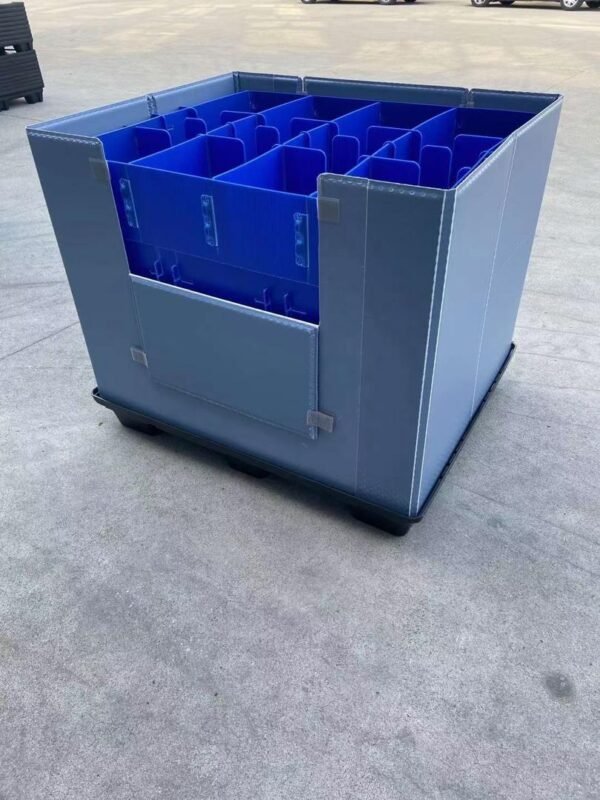
As global supply chains evolve, modern logistics, manufacturing, and e-commerce industries face mounting pressure to balance operational efficiency with strict environmental regulations. Traditional single-use cardboard packaging, while historically dominant, is rapidly being phased out due to its vulnerability to moisture, structural degradation, and high long-term costs. Enter the reusable corrugated plastic box market—a rapidly expanding sector transforming how goods are transported, stored, and protected worldwide. 1. Market Overview and Growth Projections The global market for reusable corrugated plastic boxes (RCPBs) is experiencing steady, robust expansion. Industry analyses value the market at approximately USD 9.8 billion, with projections indicating it will climb to USD 14.4 billion over the next several years. Growing at a compound annual growth rate (CAGR) of around 5.7%, this sector is fueled by corporate commitments to sustainability and the critical need for durable, mu
Plastic Concrete Forms: The Ultimate Eco-Friendly Alternative to Wood in Modern Construction
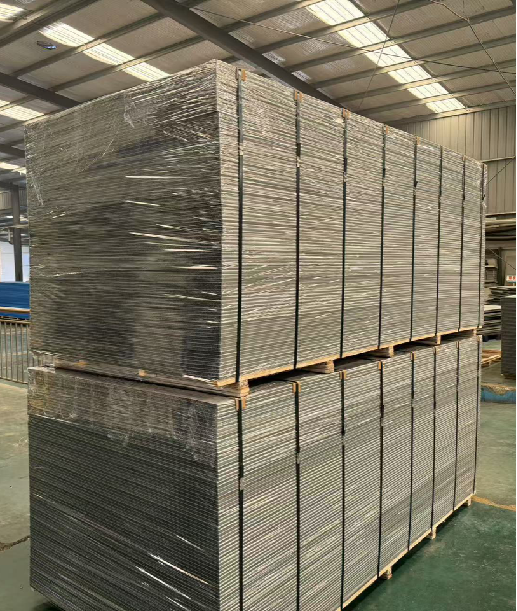
or decades, traditional wooden plywood and timber beams have been the go-to materials for concrete formwork on job sites worldwide. However, traditional timber comes with significant drawbacks: it absorbs moisture, warps under heavy loads, degrades rapidly, and contributes to massive deforestation and on-site waste.
As global construction standards shift toward sustainability, durability, and cost-efficiency, contractors and project managers are actively seeking a reliable plastic concrete forms alternative to wood.
Why Contractors Are Replacing Plywood with PP Concrete Formwork Panels in Modern Construction
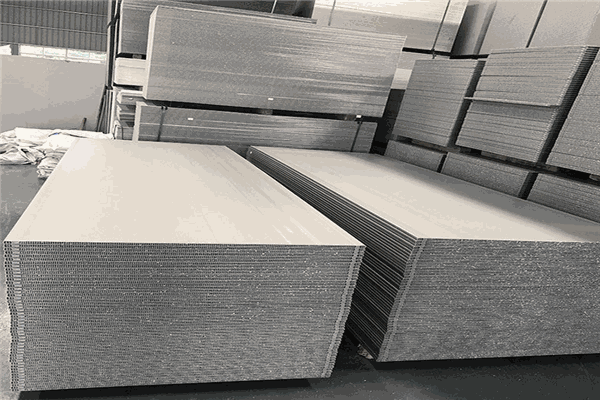
In the fast-evolving landscape of modern construction, project managers and contractors are constantly seeking ways to reduce material waste, lower labor costs, and improve concrete finishing quality. Traditional materials like wooden plywood have long dominated the market, but they suffer from short lifespans, moisture absorption, and rapid degradation on job sites.
Technical Advantages of PP Plastic Hollow Boards in Modern Packaging and Construction
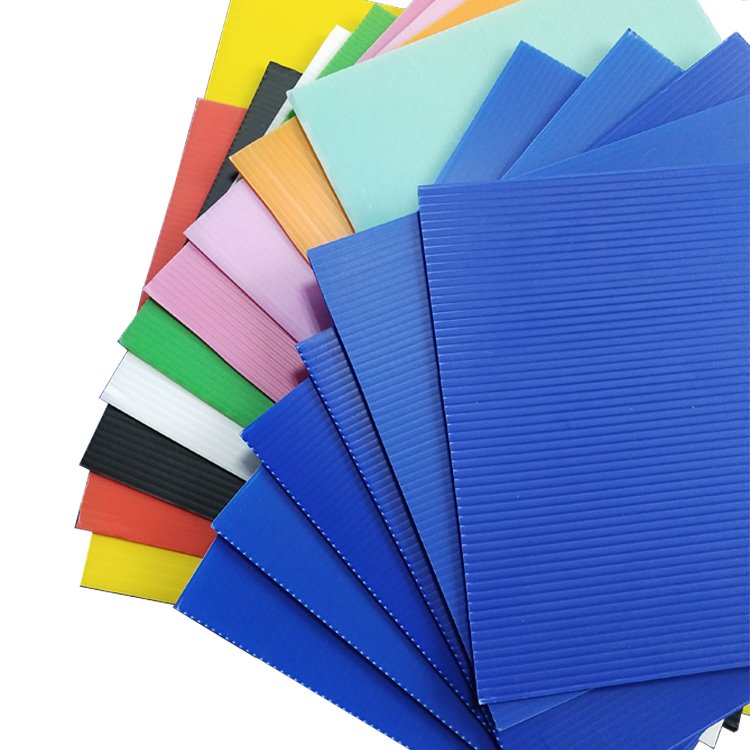
In the competitive landscape of industrial packaging and modern manufacturing, material selection dictates both product longevity and operational cost-efficiency. While traditional corrugated paper and heavy timber have long dominated the market, they present significant drawbacks regarding moisture resistance, structural durability, and lifecycle costs.
Ultimate Guide to Plastic Formwork Panels for Concrete Casting: Durability Meets Efficiency
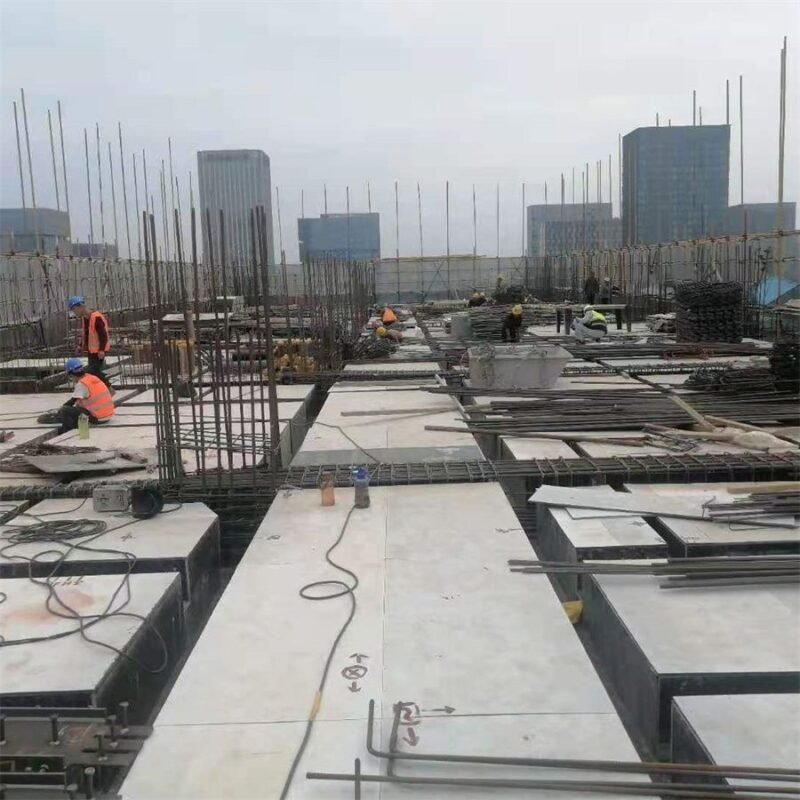
In the modern construction landscape, selecting the right materials for concrete casting can make or break a project’s budget and timeline. For decades, traditional wood plywood and heavy steel panels were the default choices. However, they come with high labor costs, limited lifespans, and susceptibility to moisture damage. As the industry shifts toward high-efficiency and sustainable building solutions, plastic formwork panels for concrete casting have emerged as the industry gold standard. Backed by twenty years of manufacturing expertise in plastic extrusion and packaging, Onshin delivers heavy-duty, engineered solutions designed to optimize structural integrity and maximize project margins. What Are Plastic Formwork Panels? Plastic formwork panels are engineered, modular shuttering systems manufactured from high-grade thermoplastic polymers (such as polypropylene). Designed specifically to contain and shape wet concrete during the curing process, these lightweight panels co
Comprehensive Guide to PP Plastic Formwork: The Future of Sustainable Construction
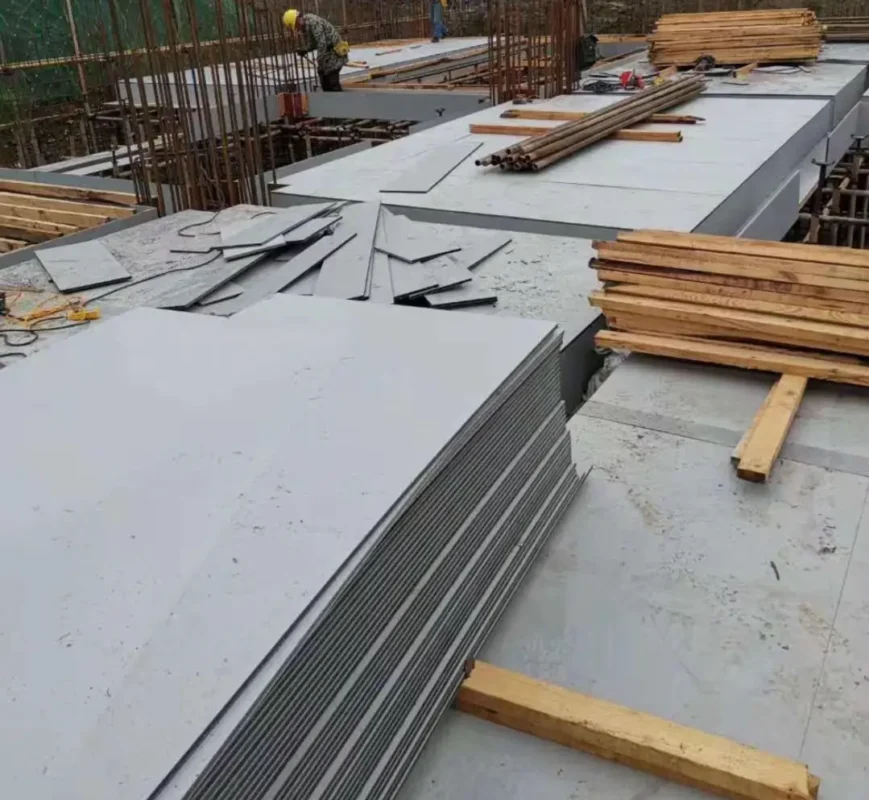
In the modern construction industry, efficiency, durability, and cost-effectiveness dictate the success of any project. Traditional building materials like wood plywood and steel have long dominated the market, but they come with significant drawbacks, including high turnover limits, heavy weight, and susceptibility to environmental damage.
Precision-Engineered PP Corrugated Packaging: Your Factory-Direct Partner for Global Logistics
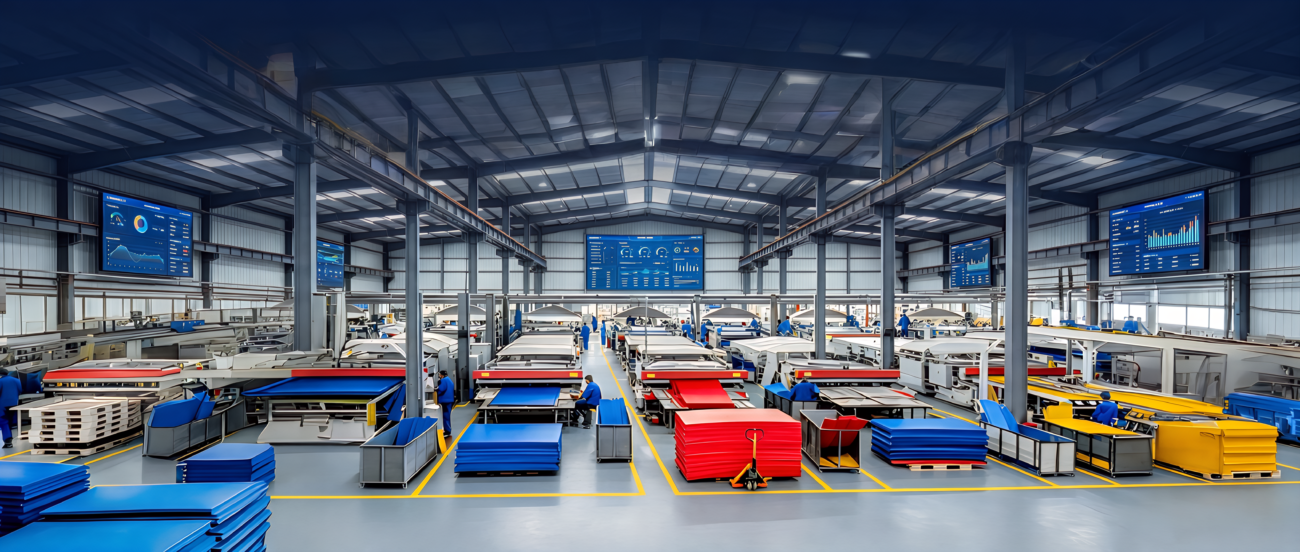
PP Corrugated Packaging is revolutionizing industrial supply chains. In today’s fast-evolving global market, material choice determines operational longevity. As industries shift toward automation, sustainability, and precision, traditional packaging like wood or low-grade cardboard is no longer sufficient.