
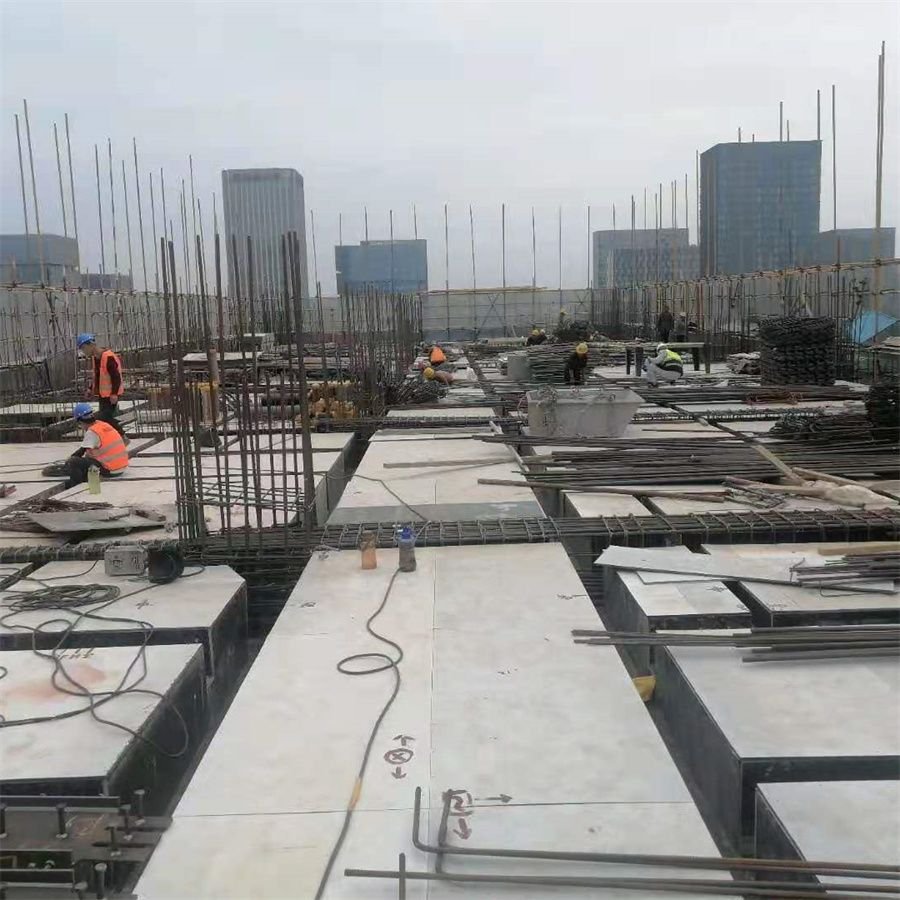
In the modern construction landscape, selecting the right materials for concrete casting can make or break a project’s budget and timeline. For decades, traditional wood plywood and heavy steel panels were the default choices. However, they come with high labor costs, limited lifespans, and susceptibility to moisture damage.
As the industry shifts toward high-efficiency and sustainable building solutions, plastic formwork panels for concrete casting have emerged as the industry gold standard. Backed by twenty years of manufacturing expertise in plastic extrusion and packaging, Onshin delivers heavy-duty, engineered solutions designed to optimize structural integrity and maximize project margins.
What Are Plastic Formwork Panels?
Plastic formwork panels are engineered, modular shuttering systems manufactured from high-grade thermoplastic polymers (such as polypropylene). Designed specifically to contain and shape wet concrete during the curing process, these lightweight panels combine extreme structural strength with a completely non-stick surface.
Unlike conventional wood that degrades rapidly under wet site conditions, plastic formwork panels maintain their precise dimensions and structural rigidity across dozens—and sometimes hundreds—of concrete pours.
Core Applications in Modern Construction
Because of their versatility and high load-bearing capacity, plastic formwork panels for concrete casting are widely utilized across a diverse range of architectural and civil engineering projects:
- Slab and Floor Casting: Provides a flat, flawless underside finish for high-rise residential and commercial buildings.
- Wall and Column Shuttering: Delivers precise vertical alignment and uniform surface textures for shear walls and pillars.
- Infrastructure and Civil Engineering: Ideal for bridge decks, tunnels, and subways where long-term moisture resistance is critical.
- Below-Grade and Foundation Work: Highly effective in wet, subterranean environments where traditional wood would rot or delaminate.
Why Choose Plastic Formwork Panels Over Traditional Materials?
When evaluating long-term operational costs and on-site efficiency, the advantages of modern plastic formwork over traditional timber and steel become unmistakable:
| Performance Metric | Onshin Plastic Formwork Panels | Traditional Wood Plywood | Traditional Steel Panels |
| Reusability | 30 – 100+ times | 3 – 5 times (warps & splinters) | High, but highly prone to rust |
| Water & Moisture Resistance | 100% Waterproof (Zero swelling) | Low (absorbs water, delaminates) | Requires anti-rust maintenance |
| Weight & Labor Intensity | Lightweight, manual installation | Medium weight | Extremely heavy (requires cranes) |
| Surface Finish | Ultra-smooth, no release agent needed | Rough, often requires plastering | Good, but can leave rust marks |
| End-of-Life Value | Fully recyclable | Discarded as construction waste | Heavy scrap metal handling |
1. Exceptional Reusability and Cost Efficiency
Traditional plywood typically warps, splinters, and fails after just 3 to 5 uses. In contrast, premium plastic formwork panels can be reused 30 to 100+ times. Although the initial investment is comparable or slightly optimized, the cost per pour drops drastically over time, saving contractors up to 60% on material expenses.
2. 100% Waterproof and Weatherproof
Moisture is the primary enemy of jobsite timber. Water absorption leads to swelling, loss of structural strength, and concrete honeycombing. Plastic panels are completely impervious to water, chemical additives, and alkaline concrete environments. They will never rot, warp, or degrade in heavy rain or high-humidity conditions.
3. Lightweight, Ergonomic, and Labor-Saving
Heavy steel systems require expensive crane rentals and large installation crews, slowing down cycle times. Plastic formwork panels are remarkably lightweight, allowing workers to easily carry, cut, drill, and install them manually. This drastically cuts down on labor costs and speeds up construction schedules.
4. Flawless Concrete Finish
The inherent non-stick nature of high-grade plastic means wet concrete does not bond to the panel surface. This eliminates the need for expensive chemical release agents. Once stripped, the resulting concrete surface is exceptionally smooth and flat, completely eliminating the need for costly secondary plastering.
Eco-Friendly Construction: Building for the Future
Sustainability is an increasingly critical metric for developers worldwide. Traditional plywood manufacturing drives deforestation, while chemical treatments add toxic residues to jobsite waste streams. Plastic formwork panels are completely non-toxic and fully recyclable at the end of their long lifecycle, helping contractors secure green building certifications and align with modern environmental standards.
Conclusion
Upgrading your jobsite materials is the most effective way to lower overhead, accelerate construction cycles, and improve concrete quality. By integrating advanced plastic formwork panels for concrete casting into your workflow, your projects benefit from unmatched durability, weather resistance, and labor savings.
Ready to source factory-direct, high-performance building solutions? Contact Onshin today to request your customized product catalog, technical specifications, and wholesale pricing.
When planning your next structural build, choosing high-performance plastic formwork panels for concrete casting is a proven way to reduce overall site waste. To explore standard engineering practices and temporary structural guidelines used globally, you can read the comprehensive overview on Wikipedia’s Formwork Guide
. Additionally, to learn more about our versatile range of building components, feel free to check out our main page on PP Plastic Formwork.