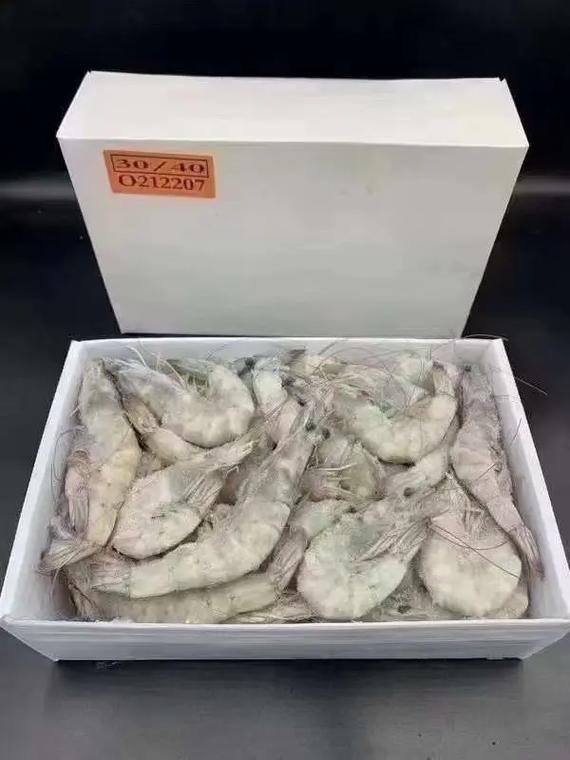
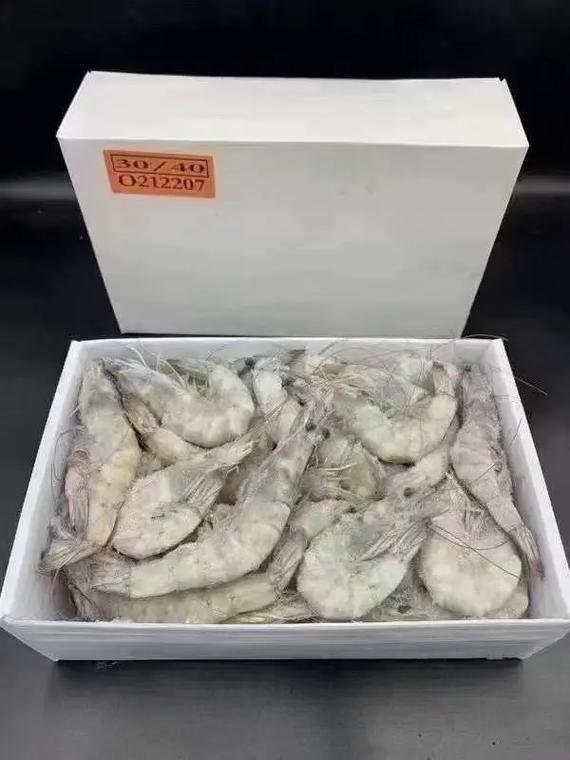
In the demanding world of seafood processing and global cold-chain logistics, packaging is more than just a container—it is a critical line of defense. For decades, traditional expanded polystyrene (EPS) foam boxes and single-use cardboard cartons have dominated the market. However, EPS foam is fragile, bulky to store, and environmentally harmful, while cardboard quickly degrades when exposed to melting ice and moisture.
As seafood distributors and exporters seek smarter, more sustainable, and high-performance solutions, waterproof corrugated plastic seafood boxes have emerged as the industry gold standard. Engineered from premium polypropylene (PP), these specialized containers solve the core pain points of seafood transport.
1. 100% Waterproof and Moisture-Resistant Performance
Seafood transport involves harsh, wet conditions—melting ice, sea water, and high humidity are unavoidable.
- Zero Absorption: Unlike paper-based corrugated cardboard, which absorbs water, weakens, and collapses under stacked weight, a waterproof corrugated plastic seafood box is completely impervious to moisture.
- Maintains Structural Integrity: Even after days in refrigerated containers or wet market environments, the box retains its full rigidity and stackable strength.
- Hygienic and Easy to Sanitize: The smooth polymer surface prevents the absorption of fish juices, odors, or bacteria, ensuring compliance with strict international food safety and hygiene regulations.
2. Superior Insulation and Cold-Chain Protection
Maintaining a consistent low temperature is vital to preserving the freshness and market value of fish, shrimp, and shellfish.
- Twin-Wall Thermal Barrier: The unique hollow-channel (corrugated) structure of PP plastic sheets traps air, providing an effective secondary thermal insulation layer that helps maintain interior box temperatures alongside ice or gel packs.
- Leak-Proof Design: Unlike foam boxes that crack easily and leak water into delivery vehicles, precision-folded or welded plastic seafood boxes offer secure, leak-resistant performance during long-haul transits.
3. Durability, Reusability, and Cost Efficiency
Traditional packaging is often discarded after a single trip, driving up ongoing operational expenses for seafood processing plants.
- Multi-Trip Reusability: High-grade PP plastic seafood boxes can be cleaned, folded or nested, and reused across dozens of supply chain cycles, significantly reducing the cost-per-trip.
- Space-Saving Flat-Pack Storage: Unlike rigid EPS foam boxes that waste immense warehouse space, many corrugated plastic designs can be shipped and stored flat, slashing warehousing and inbound logistics costs.
- Impact Resistance: They withstand rough handling during loading, unloading, and automated sorting without cracking or shattering like foam.
Conclusion
Switching to a high-performance waterproof corrugated plastic seafood box is a strategic move for modern seafood exporters looking to eliminate packaging waste, protect product quality during transit, and lower long-term logistics costs.
To explore our comprehensive range of durable industrial packaging solutions, visit our product page at Onshin PP Plastic Hollow Boards. For a broader technical overview of polymer science, you can also review Wikipedia’s Polypropylene Guide.