Sustainability, Circular Economy, and the Shift Toward Smart, Reusable Packaging Solutions.
1. The Limitations of Traditional Logistics Materials
To understand the rise of corrugated plastic, one must first examine the systemic failures of traditional packaging methods. For years, manufacturers have relied on timber and cardboard, largely due to inertia rather than performance.
- The Problem with Wood: Wooden pallets and crates are heavy, non-uniform, and prone to moisture absorption, which often leads to mold, pest infestation, and structural failure.
- The Fragility of Cardboard: While inexpensive, cardboard is a single-use material that loses integrity instantly when exposed to humidity or heavy mechanical load, resulting in high rates of product damage during transit.
- Hidden Costs: Both materials create significant waste management challenges and recurring expenses, as they cannot withstand the repeated, high-intensity use required in automated modern logistics.
2. Technical Superiority of Corrugated Plastic Solutions
Onshin’s corrugated plastic—engineered as high-performance PP hollow board—solves these problems through advanced material science and automated manufacturing.
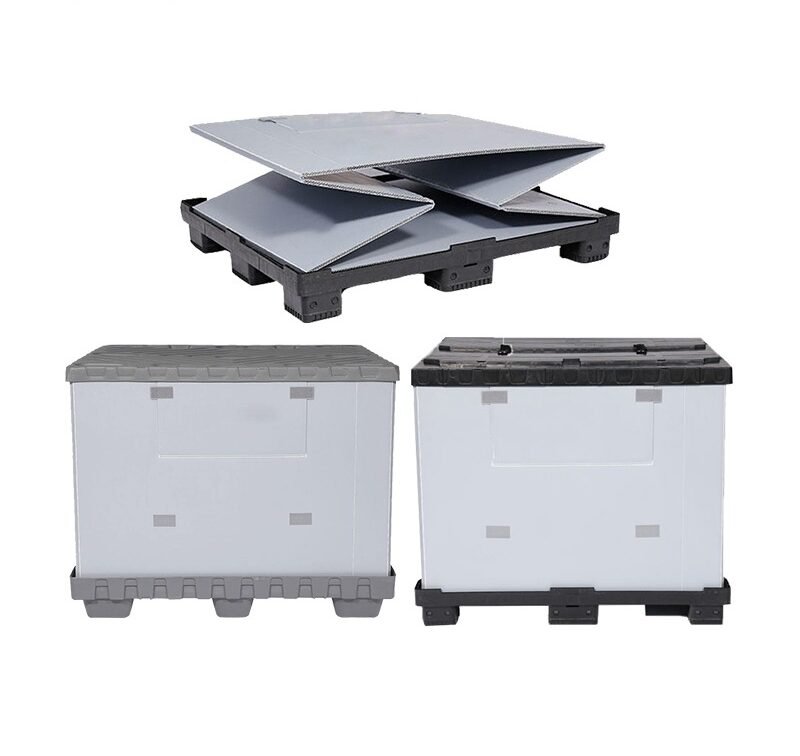
- The Strength-to-Weight Ratio: Unlike heavy steel or cumbersome wood, our hollow board structure provides an exceptional strength-to-weight ratio. This allows companies to increase the load density of shipping containers while simultaneously reducing fuel consumption, a primary driver of logistics costs.
- Unmatched Durability: The chemical and moisture resistance of polypropylene ensures that packaging remains stable in extreme environments. Whether shipping electronics or automotive parts, the packaging acts as a protective shield against shocks and vibrations that would compromise weaker materials.
- Precision Engineering: Through our 15,000-square-meter facility, we employ automated die-cutting and ultrasonic welding to ensure that every box, insert, or pallet sleeve meets exact tolerances. This consistency is essential for the seamless operation of automated picking and packing lines.
3. Sustainability: Meeting Modern ESG Requirements
As global environmental regulations tighten, the B2B sector faces mounting pressure to reduce the carbon footprint of its supply chain. Moving away from single-use packaging is no longer optional; it is a strategic business necessity.
- Full Recyclability: Unlike composite materials that are difficult to separate, our PP hollow boards are fully recyclable. At the end of their long lifecycle, they can be re-extruded into raw material, supporting a true circular economy.
- Reducing Waste Management Costs: By utilizing reusable plastic containers, enterprises can eliminate the massive volume of debris generated on site by discarded timber and broken cardboard, directly contributing to corporate ESG (Environmental, Social, and Governance) targets.
- Global Compliance: Onshin’s manufacturing adherence to international benchmarks—including standards maintained by SGS and ISO—ensures that your packaging solutions are never a barrier to international trade.
4. Customization and B2B Strategic Integration
The transition to corrugated plastic is not just a material swap; it is a chance to re-engineer your logistics workflow. With 20 years of experience, we specialize in customizing solutions for diverse industrial applications.
- Anti-Static and ESD Protection: For the electronics industry, we manufacture specialized conductive boards that prevent electrostatic discharge, ensuring the safety of sensitive components during transport.
- Automotive Logistics: Our custom-fitted separators and boxes allow for maximum space utilization in vehicle component shipping, reducing damage rates during international transit.
- Construction Formwork: Beyond transport, these sheets are now widely utilized as shuttering panels in concrete construction, providing a cleaner, more efficient finish compared to traditional timber boards.
5. Implementation Roadmap
For B2B firms looking to modernize, we suggest a phased approach to replacing traditional packaging:
- Audit: Identify the high-damage, high-cost links in your current supply chain.
- Pilot: Replace cardboard or wood with a small-scale pilot of corrugated plastic containers to measure durability and lifecycle savings.
- Scale: Once validated, integrate these solutions into your wider logistics network.
For deeper insights into the operational side of these changes, we recommend reviewing our guide on Internal Logistics Optimization.
[Call to Action]
Ready to secure your supply chain with high-performance packaging? The future of industrial logistics belongs to those who prioritize efficiency, durability, and sustainability. As a manufacturer with a 10,000-ton annual production capacity, Onshin is equipped to handle both high-volume supply and complex custom requirements for your next project.
- [Contact Our Technical Team for a Free Consultation]
- [Explore Our Full Catalog of Industrial Plastic Products]