PP Corrugated Sheets are transforming global logistics, replacing traditional, fragile packaging materials with high-performance, sustainable alternatives. In an era where industrial efficiency and sustainability define market leaders, traditional packaging materials are rapidly being phased out. As a manufacturer with 20 years of experience, ONSHIN is witnessing a fundamental shift: the transition from disposable cardboard to high-density PP Corrugated Sheets. This transition is not merely a trend; it is a strategic evolution in global logistics and supply chain management.
1. The Engineering Superiority of PP Corrugated Sheets
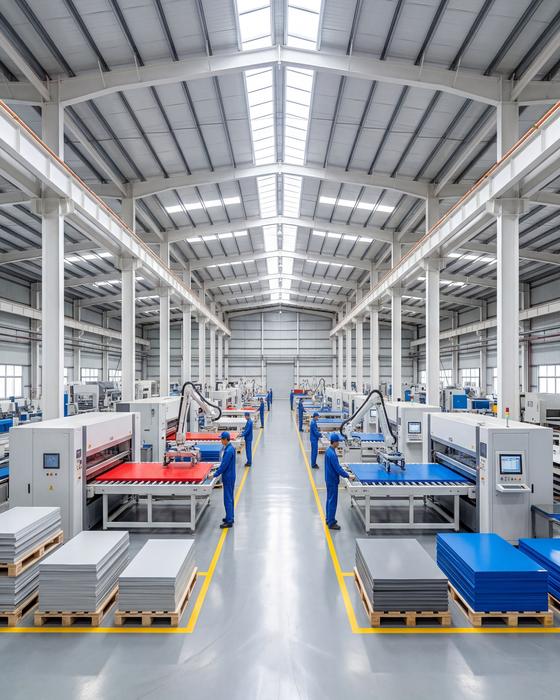
Unlike traditional fiber-based materials, PP Corrugated Sheets offer a unique combination of structural integrity and environmental resilience. By leveraging our 15,000-square-meter facility and 10,000-ton annual production capacity, we engineer solutions that perform under conditions where cardboard inevitably fails. These sheets provide a robust barrier against external stresses, ensuring that your products remain secure throughout long-haul transit. You can verify material safety and global quality standards through ISO and the REACH Compliance regulations.
2. Key Drivers of the Shift
The global logistics sector is gravitating toward PP Corrugated Sheets for three primary reasons:
- Sustainability and Circularity: Our products are fully recyclable, directly supporting the growing global demand for eco-friendly packaging that complies with international standards like REACH and RoHS.
- Total Cost of Ownership: While the initial investment in PP Corrugated Sheets may differ from cardboard, the reusability of our sheets drastically reduces long-term packaging expenditures in closed-loop systems.
- Operational Protection: In high-value sectors such as automotive components and electronics, the moisture-proof and shock-absorbent nature of our sheets prevents the oxidation and mechanical damage that often lead to costly supply chain returns.
3. Engineering the Future with Custom Solutions
At ONSHIN, we do not just manufacture plastic; we provide precision-engineered assets. From ESD (electrostatic discharge) conductive sheets for sensitive circuit boards to hygienic, pressure-washable layer pads for the food and beverage industry, we tailor our production to the specific requirements of the European, American, and Russian markets. The versatility of PP Corrugated Sheets allows them to be customized into bins, separators, and protective dunnage that fit perfectly into automated warehouse systems, eliminating the “jamming” issues common with inferior materials.
4. Your Trusted Partner for Global Logistics
With two decades of industry expertise, we understand that professional buyers require more than a material supplier—they require a certified partner capable of ensuring seamless customs clearance and reliable international standards.
Connect With ONSHIN Today
To stay ahead in the evolving logistics landscape, your packaging needs to be as advanced as your product.
Consult Our Experts: Reach out to discuss how custom die-cut or thickness specifications for PP Corrugated Sheets can optimize your specific logistics flow.solutions at www.oshplasticbox.com.